
Best Timing for Asphalt Sealings
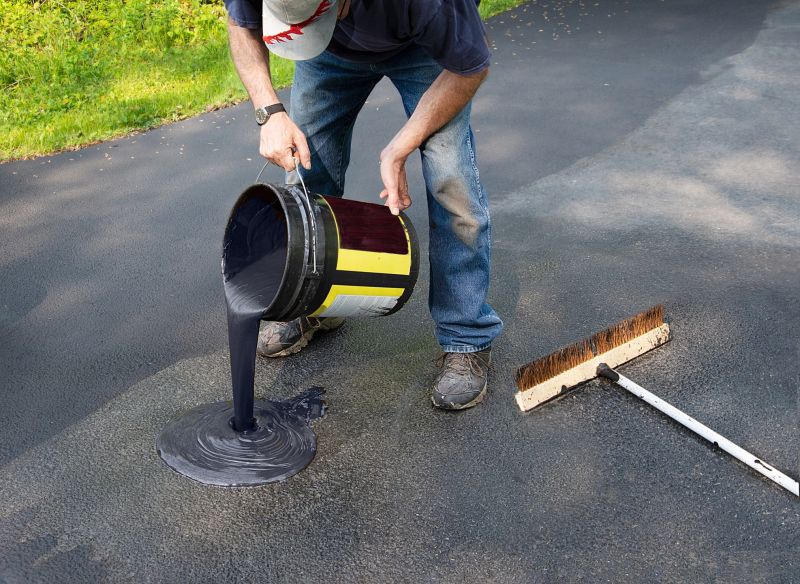
Spring offers moderate temperatures ideal for asphalt sealings, ensuring proper curing and adhesion.
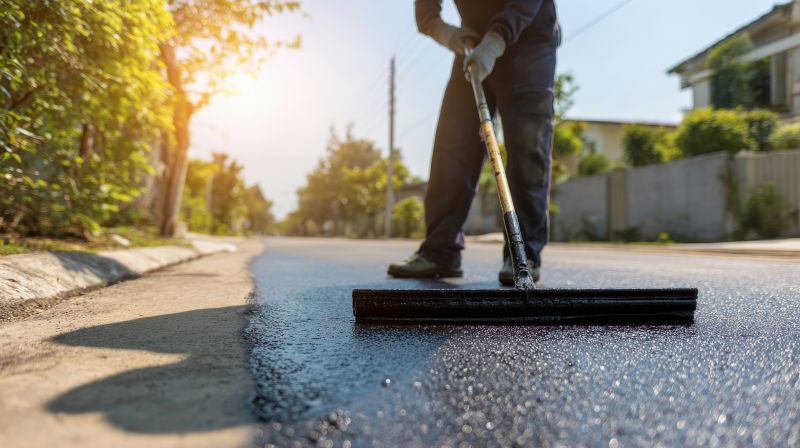
Summer provides warm weather and longer daylight hours, facilitating effective application and drying.
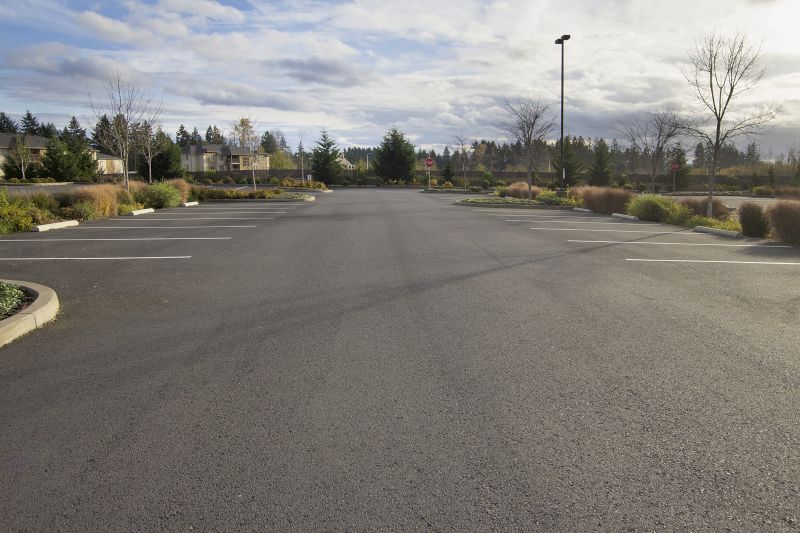
Fall's cooler temperatures can be suitable if the weather remains dry, preventing moisture issues.
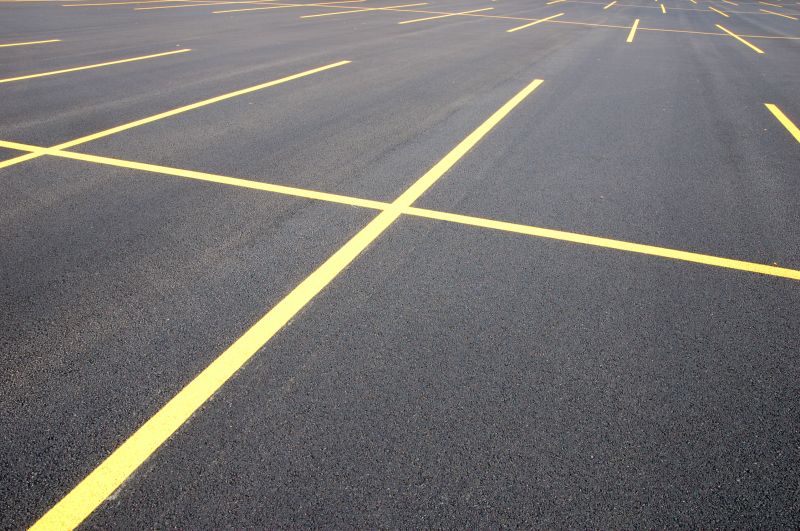
Ways to make Asphalt Sealings work in tight or awkward layouts.
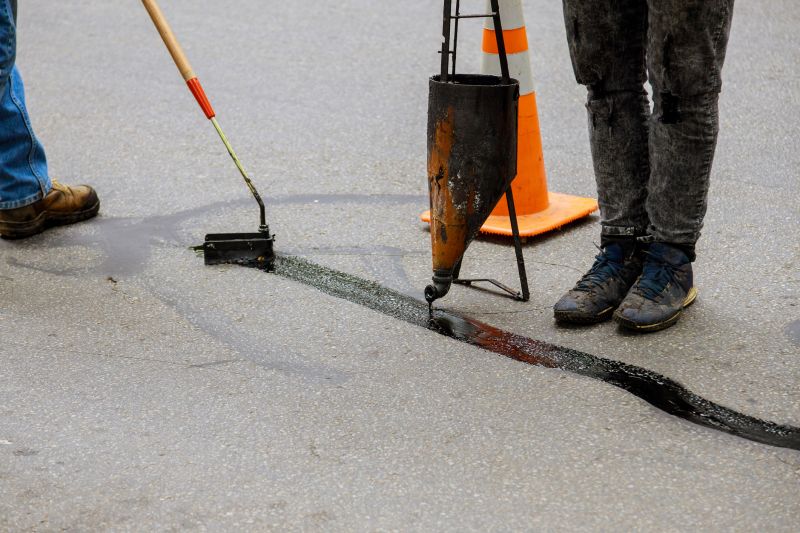
Popular materials for Asphalt Sealings and why they hold up over time.
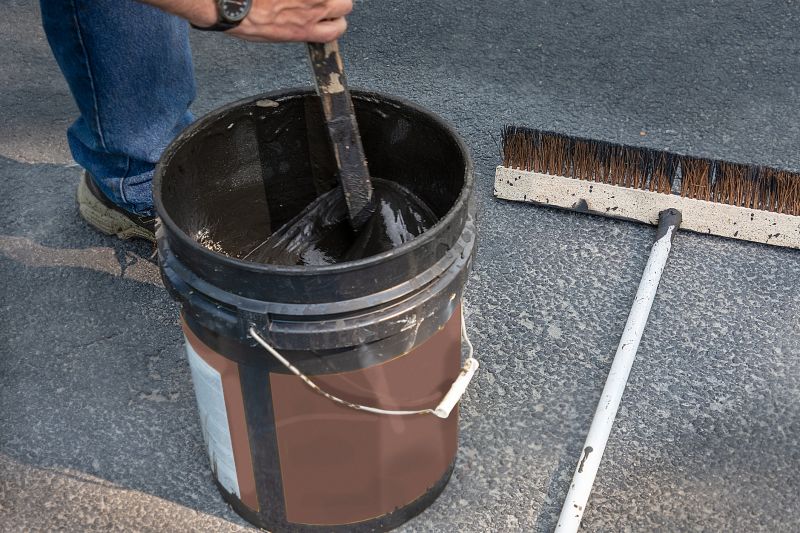
Simple add-ons that improve Asphalt Sealings without blowing the budget.
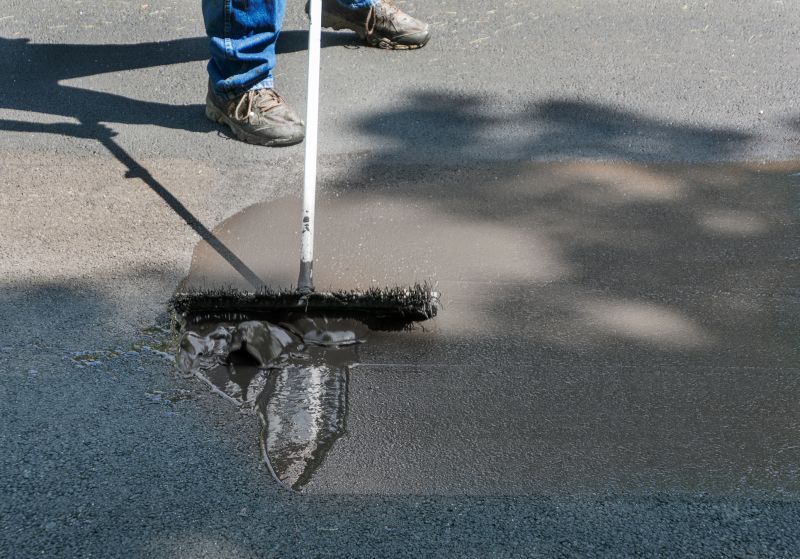
High-end options that actually feel worth it for Asphalt Sealings.
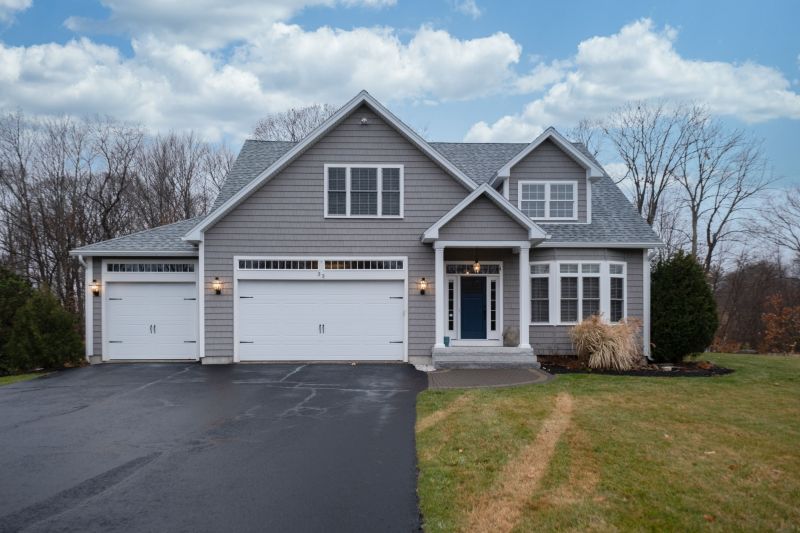
Finishes and colors that play nicely with Asphalt Sealings.
Asphalt sealings involve applying a protective coating to asphalt surfaces to prevent deterioration caused by water, UV rays, and traffic wear. Proper timing ensures the longevity and effectiveness of the sealant, minimizing the need for frequent repairs.
Statistics indicate that sealings performed during optimal weather conditions can extend asphalt lifespan by up to 50%. The ideal temperature range for application is typically between 50 and 85 degrees Fahrenheit, with low humidity and dry conditions being essential for proper curing.
Applying sealant when temperatures are too low can hinder adhesion, while excessive heat may cause premature drying.
Sealing should be avoided during rain or high humidity to prevent moisture from compromising the coating.
Ensuring the asphalt is clean and dry before sealing enhances adhesion and durability.
Late spring and early fall are generally preferred for sealings due to favorable weather conditions.
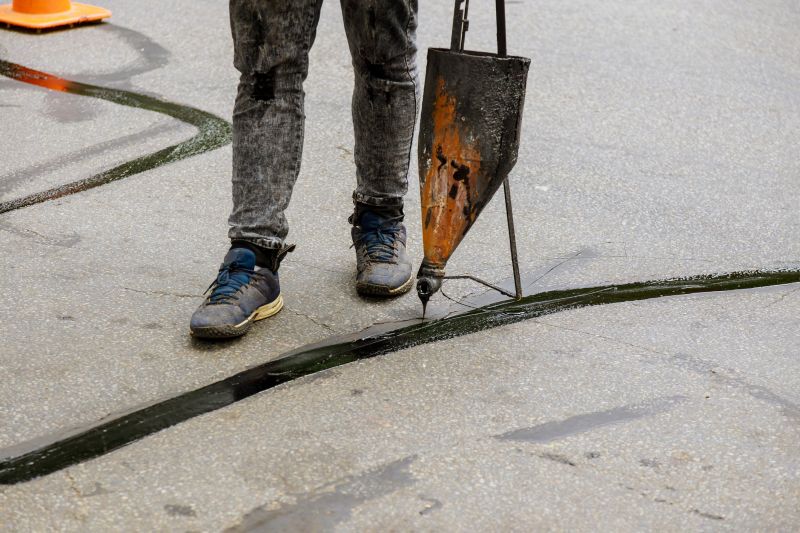
Proper application techniques are vital for effective sealing.
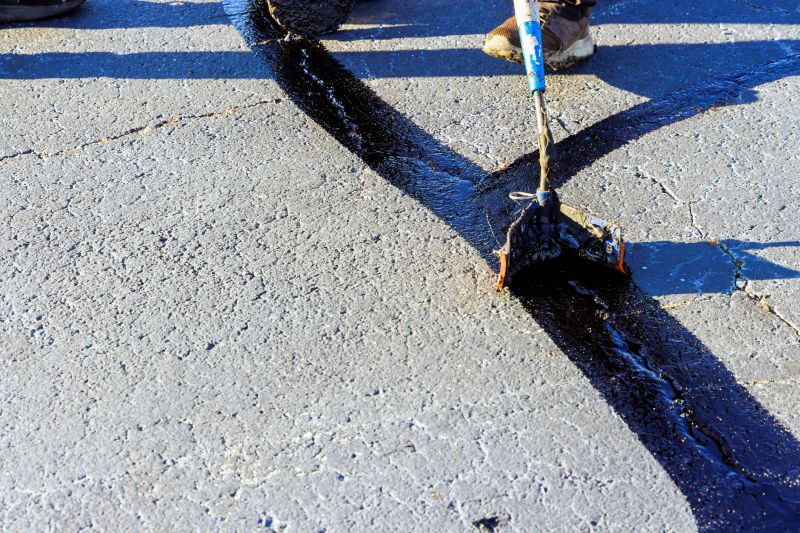
Allow sufficient time for the sealant to cure before opening the surface to traffic.
Monitoring weather forecasts helps determine the best window for sealing.
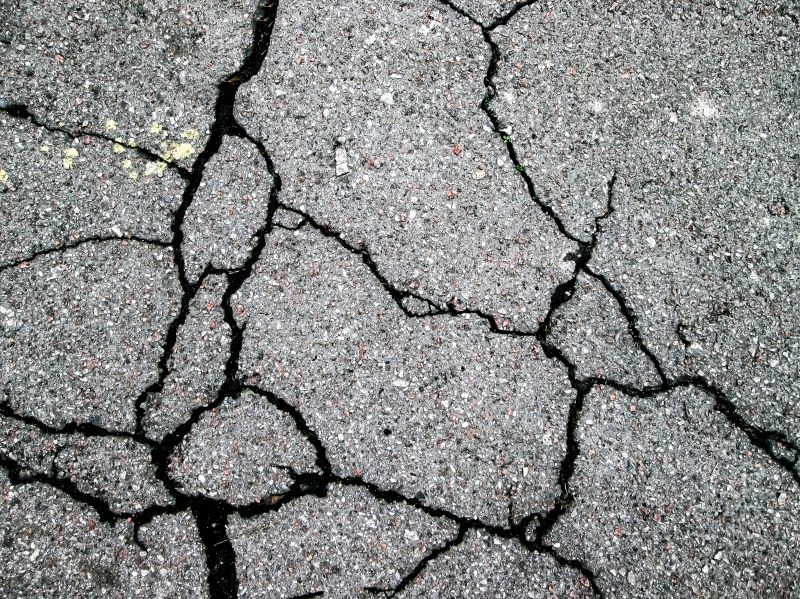
Inspecting asphalt surfaces for cracks and damage prior to sealing is recommended.
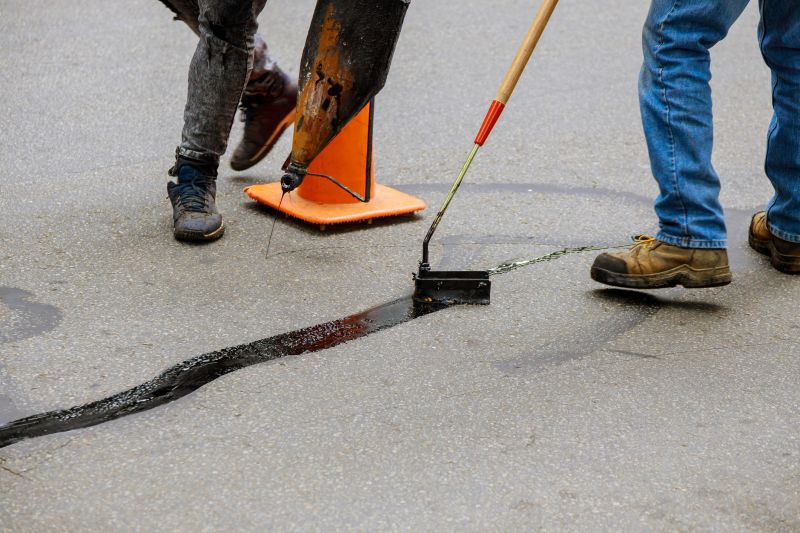
Different sealants are suitable for various asphalt conditions and climates.
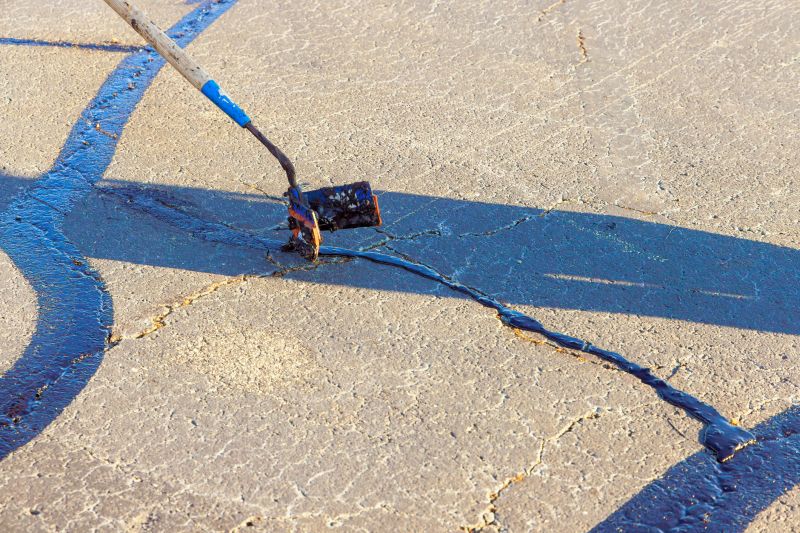
Regular sealing every 2-3 years maintains asphalt integrity.
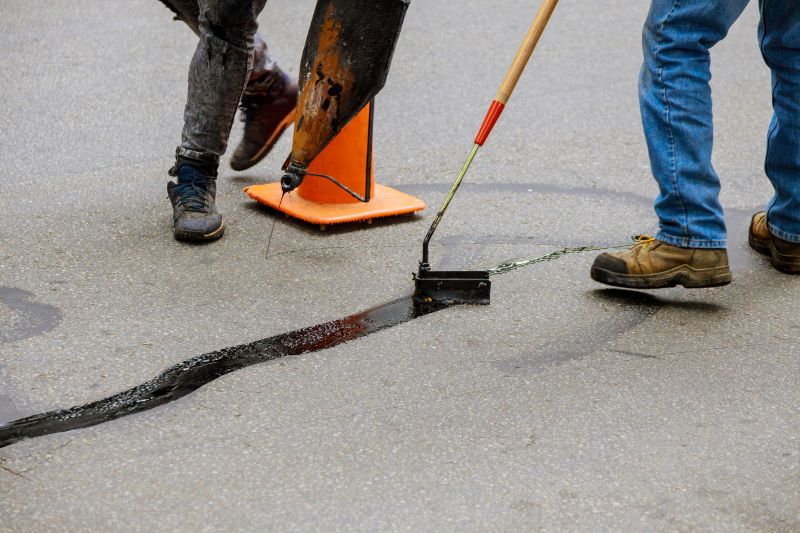
Hiring experienced contractors ensures quality application and results.
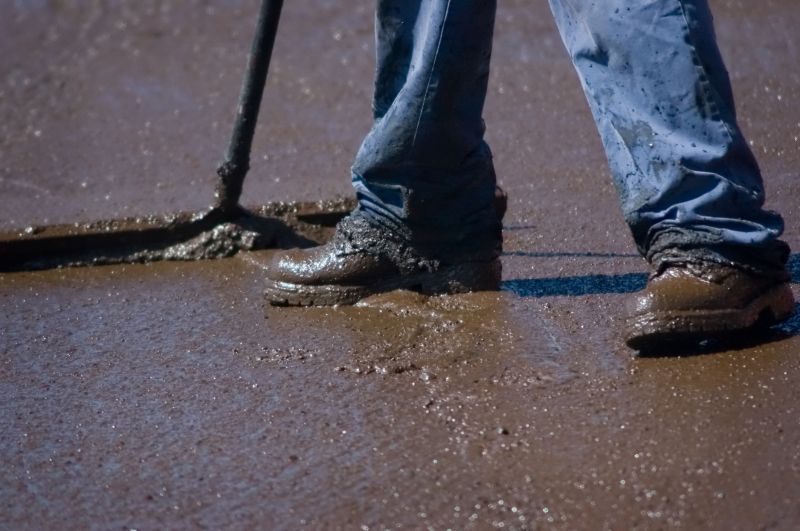
Avoid sealing during extreme weather conditions to prevent issues.
| Season | Optimal Conditions |
|---|---|
| Spring | Temperatures between 50-70°F, dry days |
| Summer | Temperatures between 70-85°F, low humidity |
| Fall | Temperatures between 50-70°F, dry weather |
| Winter | Not recommended due to cold and moisture |
Choosing the right time for asphalt sealings is crucial for maximizing the lifespan of the pavement. Proper weather conditions facilitate effective application and curing, which are essential for the sealant to perform as intended. Regular maintenance and timely sealing can significantly reduce long-term repair costs.
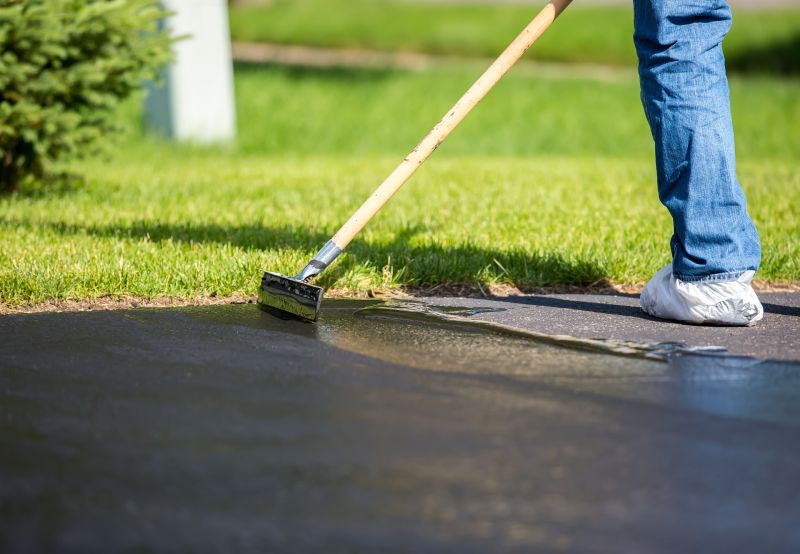
Professional application ensures even coverage and optimal adhesion.
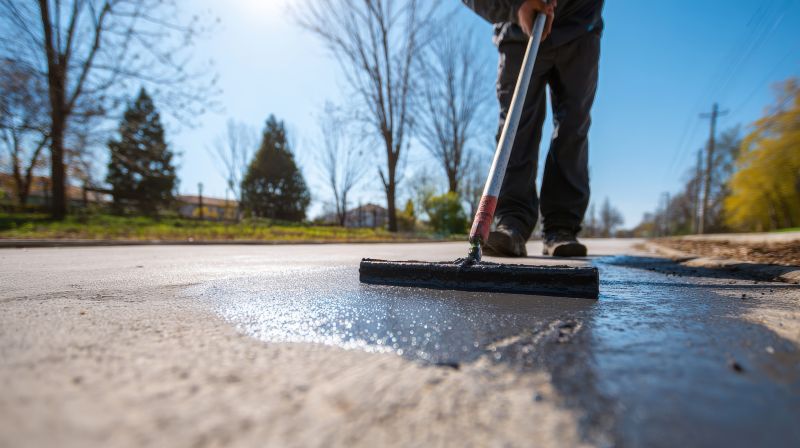
Proper drying conditions are necessary for a durable seal.
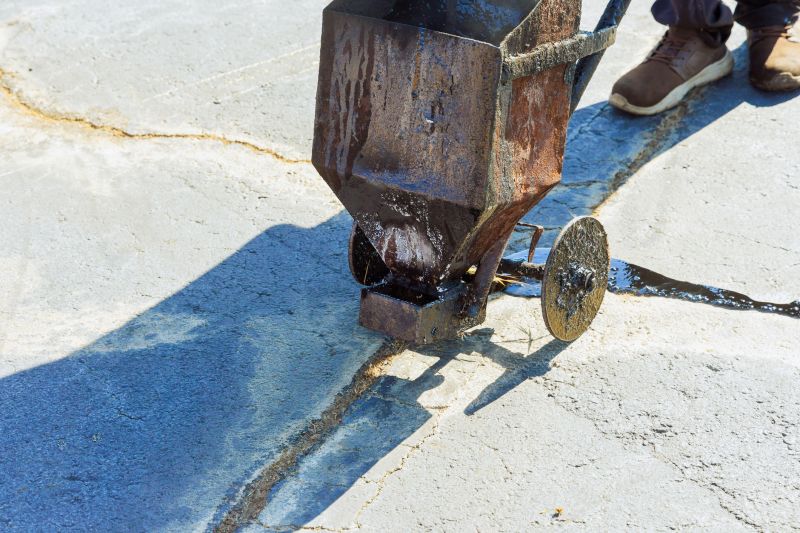
Using the right equipment improves application quality.
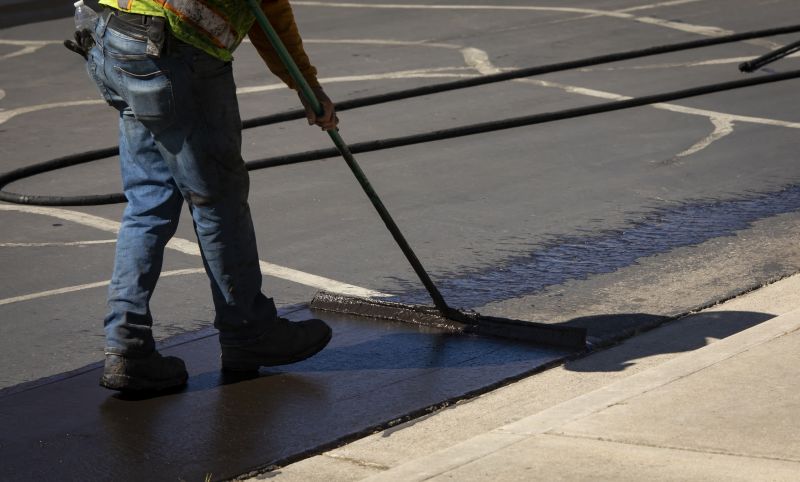
A well-sealed asphalt surface provides protection and longevity.
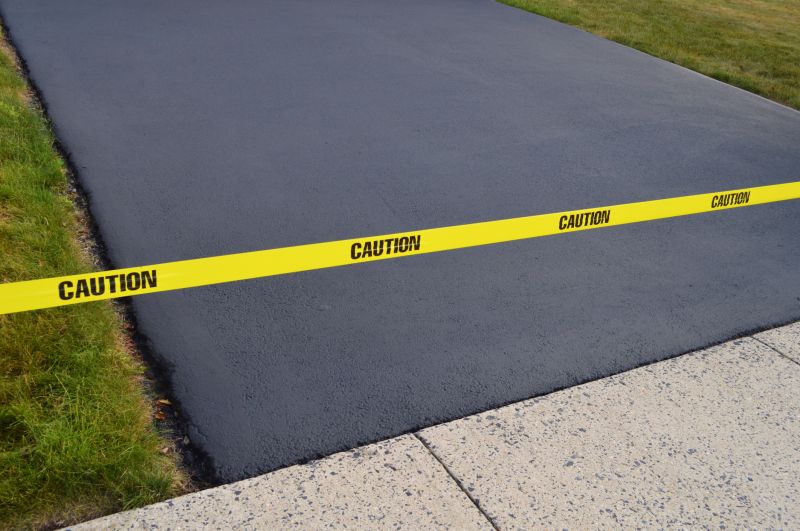
Little measurements that prevent headaches on Asphalt Sealings day.
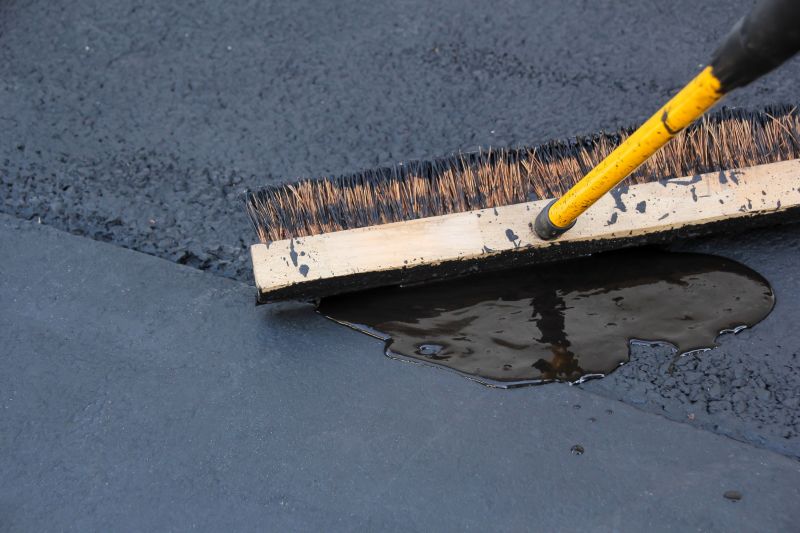
A 60-second routine that keeps Asphalt Sealings looking new.
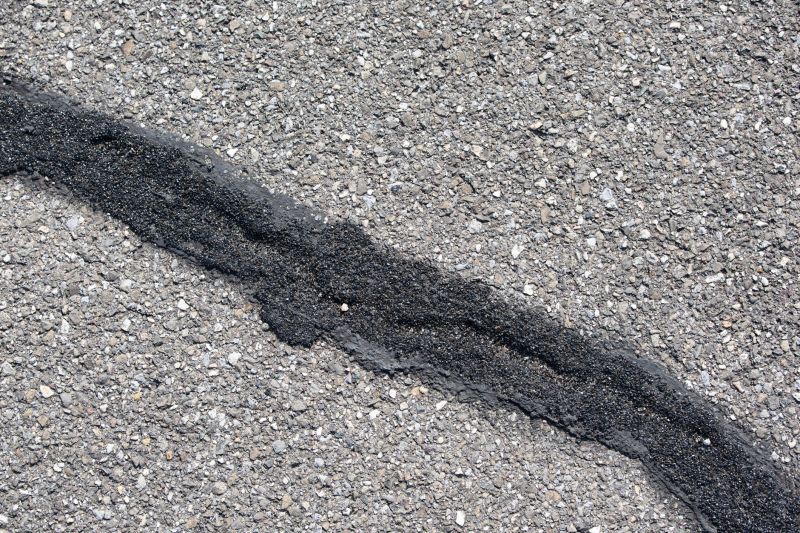
A frequent mistake in Asphalt Sealings and how to dodge it.
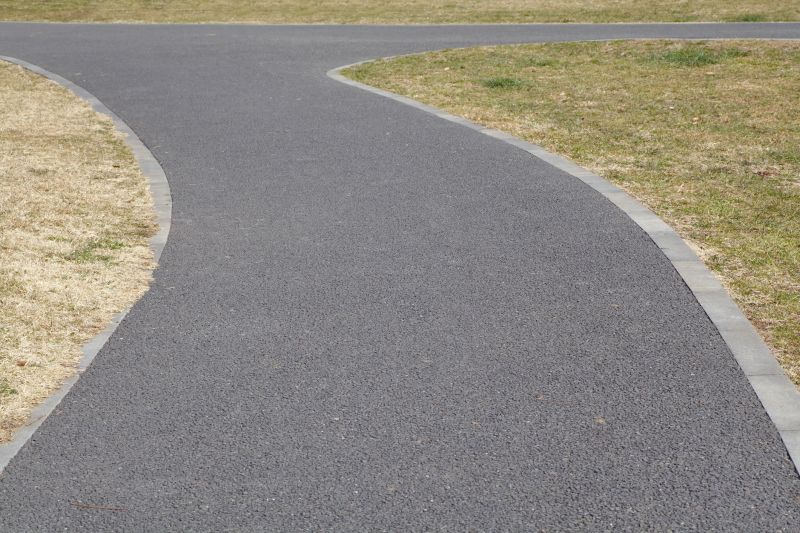
Small tweaks to make Asphalt Sealings safer and easier to use.
Interested in scheduling asphalt sealings? Filling out the contact form provides an opportunity to discuss suitable timing and services tailored to specific asphalt surfaces in Lincoln, CA.